
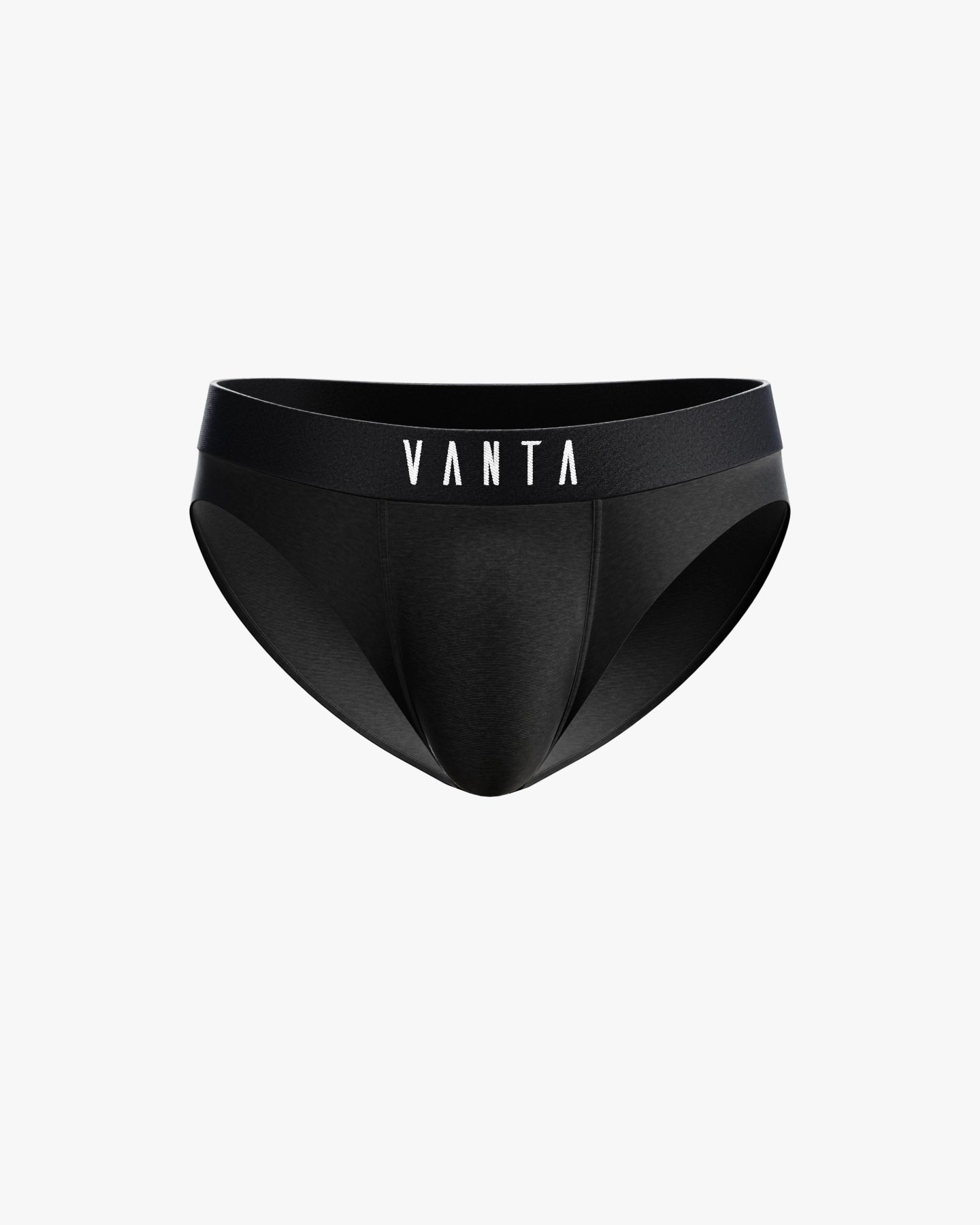
Most men treat underwear as an afterthought. But for runners, it's the most critical interface between body and movement. If it fails, your run fails.
Learn What WorksYou’re not alone. Most men don’t realise it, but regular underwear usually isn’t designed for running — and that’s exactly why it starts failing once movement, heat, and sweat kick in. Some pairs feel fine for the first kilometre. Then by 5–10km, everything changes. This guide explains what actually matters in running underwear, what causes the common problems, and what tends to perform best in real-world use.
We reviewed what runners consistently care about most when choosing underwear: sweat control, support, fit stability, anti-chafe comfort and long-run performance. This guide focuses on what actually matters during movement — not just softness when standing still.
The best underwear for running usually uses lightweight quick-dry fabric, stays in place during movement, reduces friction and offers enough support to prevent distraction. For many runners, performance-focused styles outperform standard cotton everyday underwear.
Running underwear should be chosen for movement first, comfort second.
Explore VANTA Sweat Series — lightweight, supportive underwear built for training, running and hot conditions.
Shop VANTA Sweat SeriesMost underwear is built for softness, everyday comfort, and lounging. But running introduces constant movement, sweat, repetition, friction, and heat build-up. That’s when everyday fabric becomes damp and heavy, legs ride up, and seams irritate.
Fabric choice is the biggest difference. Cotton absorbs sweat and holds moisture, leading to friction and heavy damp fabric.
If your underwear shifts, friction follows. Look for structured fit and enough hold without restriction.
Support reduces skin-on-skin contact. Fine details like flat-locked seams eliminate stitch irritation.
Many runners eventually switch to briefs or longer inseams once they figure out what works best for their body shape.